Why I Cancelled my TV Licence

I Cancelled my TV Licence
Being AuADHD gives me a strong sense of justice and an overactive radar for things that don’t make sense. I hate being pushed into things—especially when they’re not fair.
Since starting ADHDaptive, I’m so much happier and more at ease with myself, even though I gave up a stable income. I won’t pretend it’s easy. I have to work hard for every penny I earn, and making ends meet is always a juggle.

Lately, I’ve been looking hard at my budget. That’s when I started seeing YouTube videos from people who had cancelled their TV licence. And it got me thinking: do I actually need one?
I don’t watch live TV. Haven’t for years. I just assumed I needed a licence because I own a TV.
Cue hyperfocus mode. I started digging—properly.
As someone who’s both autistic and ADHD, it’s not just about facts—it’s about patterns, fairness, and how systems affect people. Once I started looking into this, I couldn’t unsee it. The lack of transparency. The way the whole system seems designed to confuse and pressure. That hits especially hard for neurodivergent people, who are more likely to take rules literally, avoid confrontation, and struggle with bureaucracy.
Here’s what I found:
You DO need a TV licence in the UK if you:
- Watch or record live TV on any channel or service
- Watch live broadcasts from any TV broadcaster (UK or abroad)
- Use BBC iPlayer (live or on-demand)
- Watch live-streamed events (like sport or concerts) from a broadcaster (BBC, ITV, Sky, etc.)
- Watch live TV on any device—TV, phone, tablet, laptop, games console, Fire Stick, etc.
You do not need a TV licence to:
You DO NOT need a TV licence in the UK if you:
- Watch catch-up or on-demand content from non-BBC services:
- ITVX
- Channel 4
- My5
- S4C Clic
- UKTV Play
- Netflix
- Amazon Prime Video
- Disney+
- Apple TV+
- NOW (on-demand only, not live)
- Paramount+
- Watch YouTube
- Watch creator content or live streams (Twitch, TikTok, etc.)
It turns out I don’t need a licence at all. I mainly watch YouTube and a couple of streaming platforms.
The Fear Tactics Behind the TV Licence
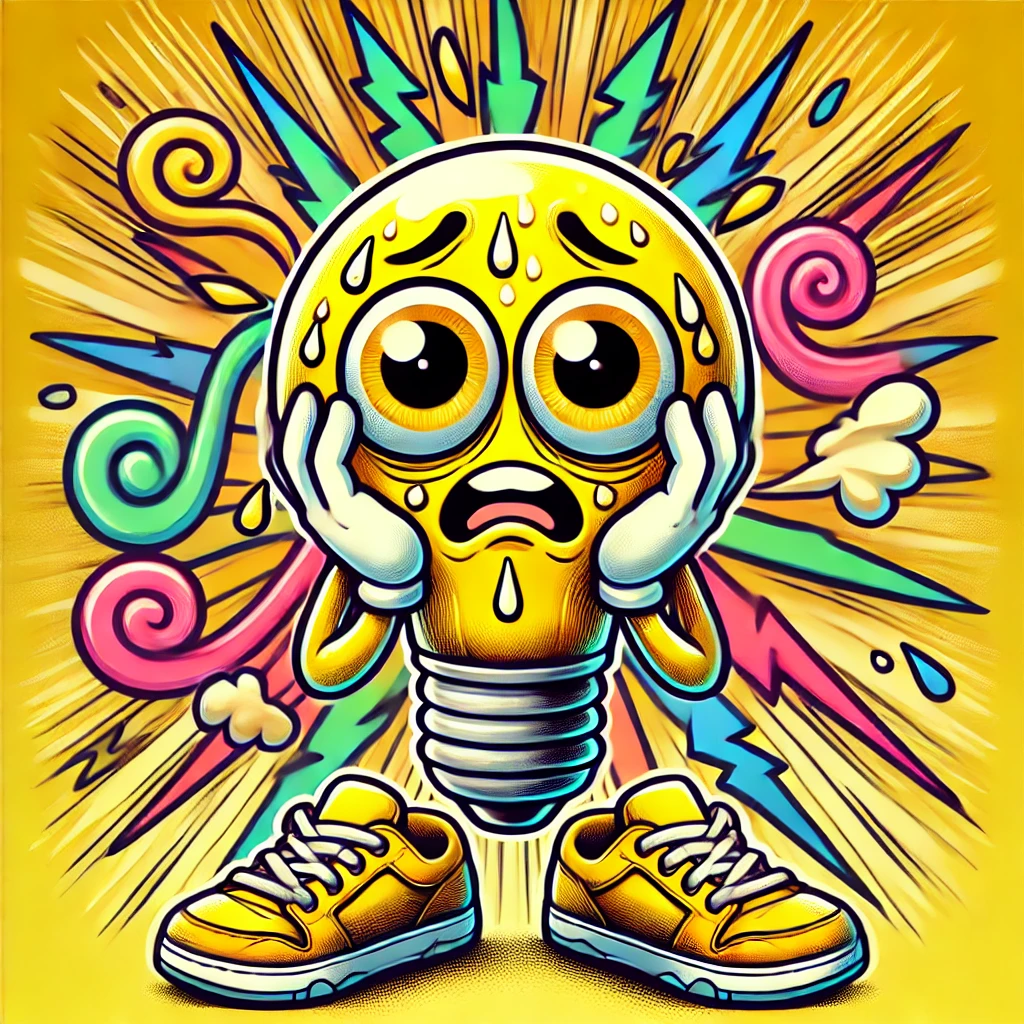
What hit me next was how disingenuous the BBC and TV Licensing are. The whole setup relies on fear and pressure to make people pay when they might not need to.
- They imply you must have a licence just to own a TV
- They don’t publicise the fact that many people are legally exempt
- They send aggressive letters full of legal threats
- They treat non-licence holders like criminals
- They harass vulnerable people by sending “Enforcement Officers” to intimidate them into paying
- They rarely mention that you can legally refuse entry
- They make it difficult to cancel or declare that you don’t need one
- They're backed by laws that make non-payment a criminal offence, with fines up to £1000—and possible prison if you don't pay
All that, just for not paying for a subscription service.
For something that's supposed to serve the public, it feels more like coercion.
I found it frustrating on two levels: one, that I’d been paying for something I didn’t need. And two, the sheer dishonesty of the system.
So, I cancelled.
Or at least, I tried to.
Cancelling isn't straightforward

The website said it could be done online, but once I entered my licence number, I was told to call. As a neurodivergent person, phone calls like that are stressful—but I was determined.
After battling through menus, I was put on hold. The wait was at least 20 minutes. I held on for over half an hour. Eventually, someone answered. They were polite, but slightly condescending. The whole thing took another 30 minutes.
They asked me why I wanted to cancel. Who lived in the house. What I watched. Then they tried to upsell me on a licence by telling me about all the great programmes on the BBC.
Eventually, I had to agree to a long list of legal statements confirming I wouldn’t watch live TV or use iPlayer.
I was told I could be marked as "not needing a licence," but only for one year. After that, they’ll contact me again.
I also found out I could get a refund for six months, because I’d been paying in arrears by direct debit. Which means the BBC holds millions in upfront payments, earning interest for them, not the public.
So now I’ve cancelled. I expect the letters to start soon. They can be very threatening from what I’ve seen. Maybe I’ll get a visit. If I do, I’ll politely decline and close the door.
For neurodivergent people, especially those with social anxiety, executive dysfunction, or trauma around authority, this kind of process is more than just inconvenient. It’s exhausting. It’s overwhelming. It feels unsafe.
At this point, it’s not just about saving money. It’s about pushing back against a system that preys on vulnerable people. Especially those who are neurodivergent and struggle to deal with this kind of intimidation.
No one should be criminalised for not paying for something they don’t even use.
Do you agree? What’s been your experience?
Please let me know by commenting or getting in touch – I’d love to hear your thoughts.

Get in Touch | ADHDaptive - ADHD Coaching & Consultancy
TVLicence #CancelTVLicence #TVLicenceUK #BBCLicenceFee #KnowYourRightsUK #NeurodivergentVoices #AuDHD #ADHDAutismExperience #StopIntimidation #NeurodivergentStruggles #InvisibleDisability #CostOfLivingUK #DisabilityRightsUK #SaveMoneyUK #ChallengeTheSystem #NDVoicesMatter