Worried AI Will Kill Your Brain? Social Media Beat It to It
TL;DR
Social media addiction and ADHD - We blame ChatGPT for killing our ability to think, but the real brain drain began years ago. Social media algorithms track your every click, reward you with dopamine hits, and feed you content designed to keep you scrolling...not to inform or connect you. It’s addictive by design, especially dangerous for neurodivergent minds, and has quietly stolen our agency long before AI showed up.
The brain drain didn’t start with ChatGPT
We’ve all seen it, those headlines shouting that ChatGPT is rotting our brains, turning us into mindless zombies, incapable of original thought. It’s a neat story because it gives us something new to blame. But the real truth of it is that the brain drain started long before large language models and generative AI hit the scene. Social media feeds, endless scrolling, and recommendation systems have been quietly shaping our thoughts, emotions, and attention spans for years. ChatGPT might get the spotlight, but the real erosion of agency has been happening in plain sight.
How it all began - The glory days of the Internet
Some of us still remember the early internet. Slow, clunky, dial-up screaming down the phone line. If someone picked up the house phone, you were done. You’d type “ADHD diagnosis” into a search box, get a plain list of websites, and click through one by one. If you liked a site, you’d bookmark it. That was it, your own little library.
Then along came Friends Reunited. Simple idea: find your old school, find your mates, swap a few messages. It was innocent enough, but the novelty wore off fast. Most people realised they’d lost touch for a reason.
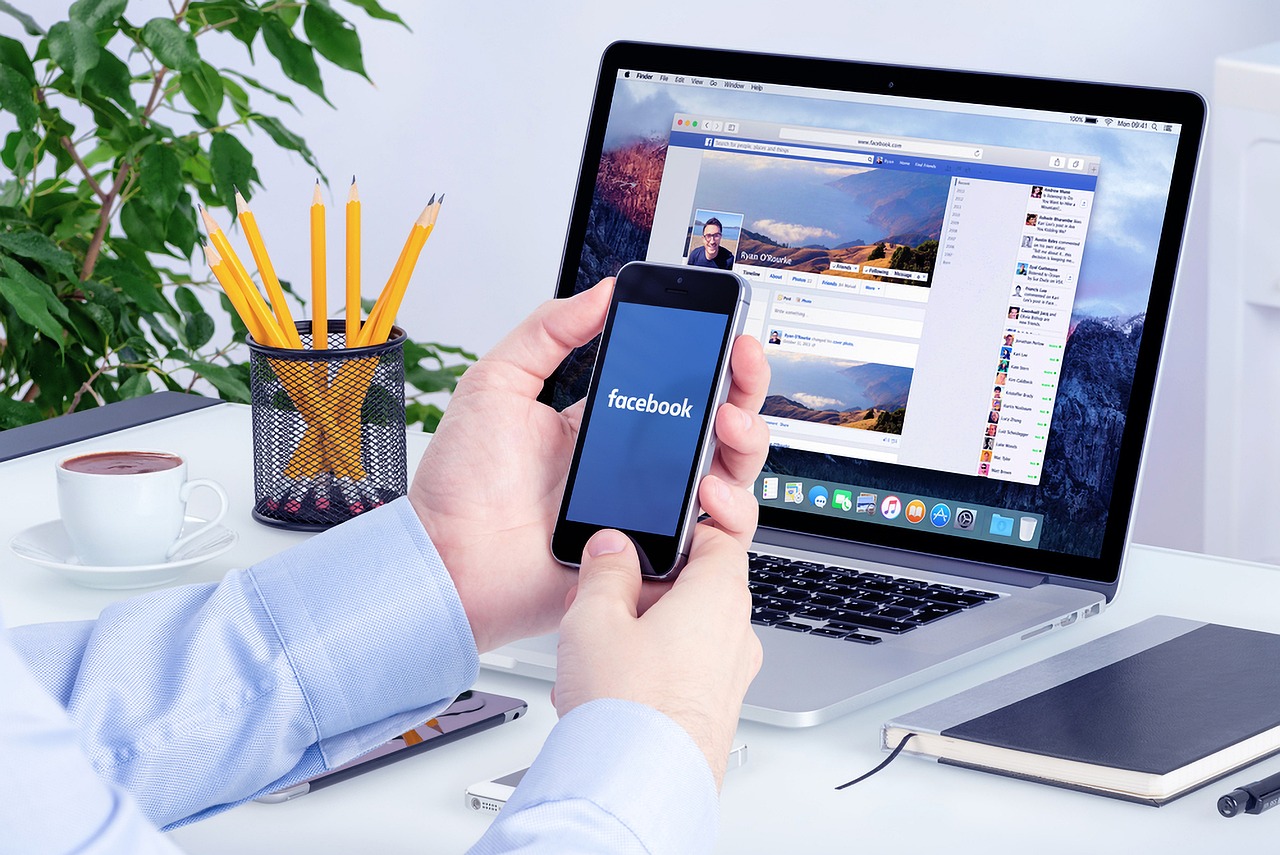
And then Facebook. Same idea but slicker, youth-driven, all about what’s happening now. That’s when it started becoming a daily habit.
In those early days of social media, they were simple websites, you were totally in control over what you saw, who you interacted with, what you shared, and with whom. You would have to actively want to go in and look people up and choose to get in touch if you wanted. It took effort, but the rewards were there to be had if you put the time in.
Social media that we know today, such as Facebook, Snapchat, TikTok, YouTube, X, and Instagram, are all very different places to exist in. Today, we are shown a feed of things and people that the platform has deduced that we will like to see, the "For You" feed. We no longer see just updates from people we are friends with, or groups that we have subscribed to. In fact, we are not guaranteed to see anything at all from our friends and subscribed groups. We are constantly fed a stream of content from around the world, based on our viewing habits and activity.
That's the "Algorithm"
So what is "The Algorithm"?
Let's get one thing straight. The "Algorythm" isn't AI...
The social media algorithm is essentially a piece of code that acts like a filter and decides what you see on your feed. It tracks what you click on, how long you watch, what you like, share, or comment on. Then it uses that data to guess what will keep you scrolling for longer.
Despite what you might think, it doesn’t show you everything your friends or favourite pages post. It
shows you what it believes will grab your attention, even if that means pushing extreme, emotional, or
addictive content.
So what's the problem?
Unlike the early days of Friends Reunited, Social media platforms of today make their profit from advertising. The longer you stay on the platform, the more ads you see, and essentially, the more money they make. You are the product.
Algorithms are designed to:
- Keep you scrolling for as long as possible.
- Feed you content that triggers strong emotions (anger, joy, outrage, curiosity).
- Predict what you’ll click on next to maximise engagement.
- Collect data on your behaviour to sell more targeted ads.
It’s not about showing you what’s true or useful. It’s about showing you whatever makes you stay glued to the screen so they can monetise your attention.
The whole system is effectively built on creating addictive behaviours.
Platforms reward your brain with dopamine hits every time you get a like, comment, or see something shocking or entertaining.
That unpredictable “reward” (sometimes you get a like, sometimes you don’t) is the same psychological trick used in slot machines.
The algorithm learns what keeps you hooked and serves you more of it, tightening the loop.
The result is compulsive checking, endless scrolling, and difficulty pulling away, even when you don’t want to.
Why this is especially dangerous for the neurodivergent mind
Social media algorithms don’t just pull everyone in. They’re especially ruthless with neurodivergent brains.
ADHD, autism, dyslexia, dyspraxia...our wiring that makes us creative and original also makes us easier to hook.
- ADHD brains crave stimulation. Algorithms know this and drip-feed novelty, keeping us chasing that next dopamine hit.
- Hyperfocus gets hijacked. Hours vanish, not on passion projects, but on endless scrolling.
- Rejection sensitivity is triggered. Posts flop, comments hurt, and the algorithm amplifies the most emotional reactions.
- Masking and comparison spiral out of control. Carefully curated feeds make you feel like you’re failing at “normal life.”
- Executive function challenges mean stopping is harder. Feeds are built never to end, so you don’t.
The scroll manipulates everyone. But for neurodivergent people, it's predatory.
Yet, we are stumbling deeper and deeper into this abyss. People frequently talk about the dangers of generative AI taking away the ability to think; it is a widely recognised concern, and yet long before the advent of freely available generative AI, we have been manipulated, predated and groomed to such an extent that we don't realise it is happening.
We have forgotten how to exert out own agency, our experiences, our views and our very lives are being written by someone else. We don't question it, in fact we have normalised it, and that is a very dangerous thing. Mass manipulation of society is arguably a more dangerous thing for the future of humanity than generative AI ever could be.
PS: The one glimmer of hope? Youtube still has the option to dump the "For You" feed, The Subscriptions tab shows you a reverse time-sorted list of posts from only your subscriptions, it's been there from day one, but hardly anyone ever uses it. Give it a try, you'll thank me for it!