
Why Motivation Drops in January for Neurodivergent Brains

Why motivation feels missing in January
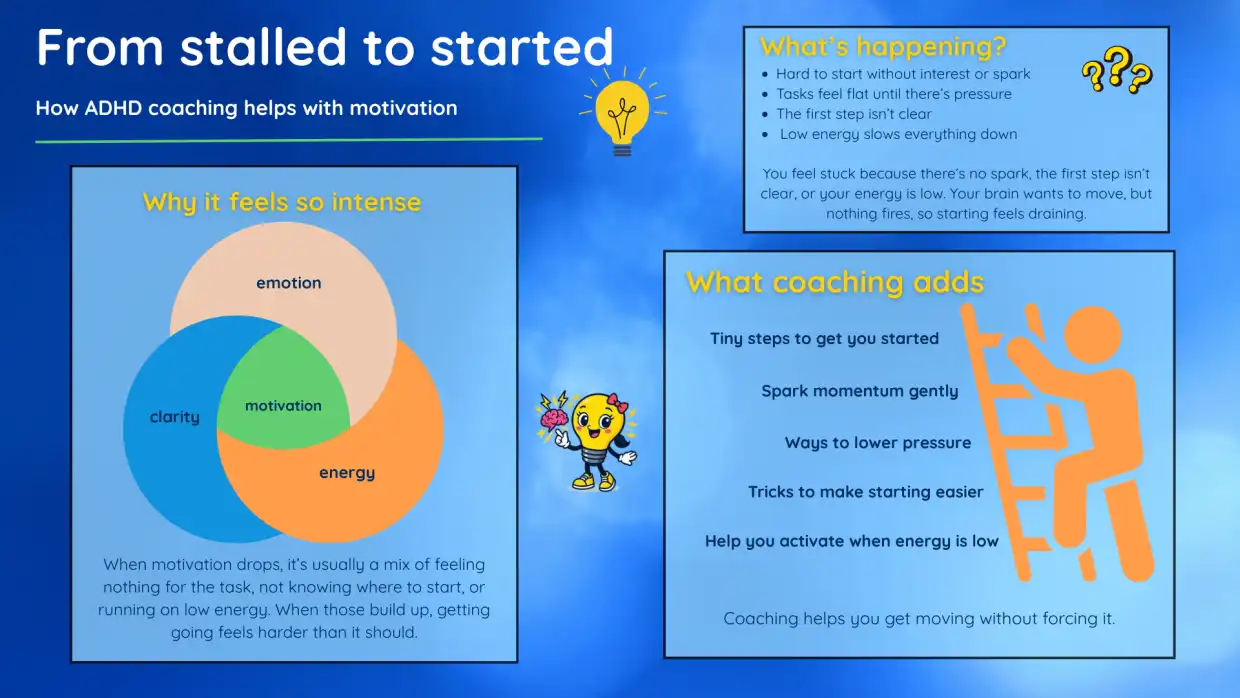
We have all seen it.
The flood of motivational posts about the new year, a fresh start, and resolutions.
For many people, the motivation just is not there.
After days of lost routines, pressure to perform, enforced social situations, heavy masking, less movement, overeating, and more alcohol, a lot of us are burnt out.
- Our bodies want rest
- Our brains feel overloaded
January arrives with expectations that are unrealistic.
If you try to meet them straight away, you risk a meltdown and a rough start to the year.
What most people actually need right now is not a reset.
They need recovery.
Why January can be hard for neurodivergent brains
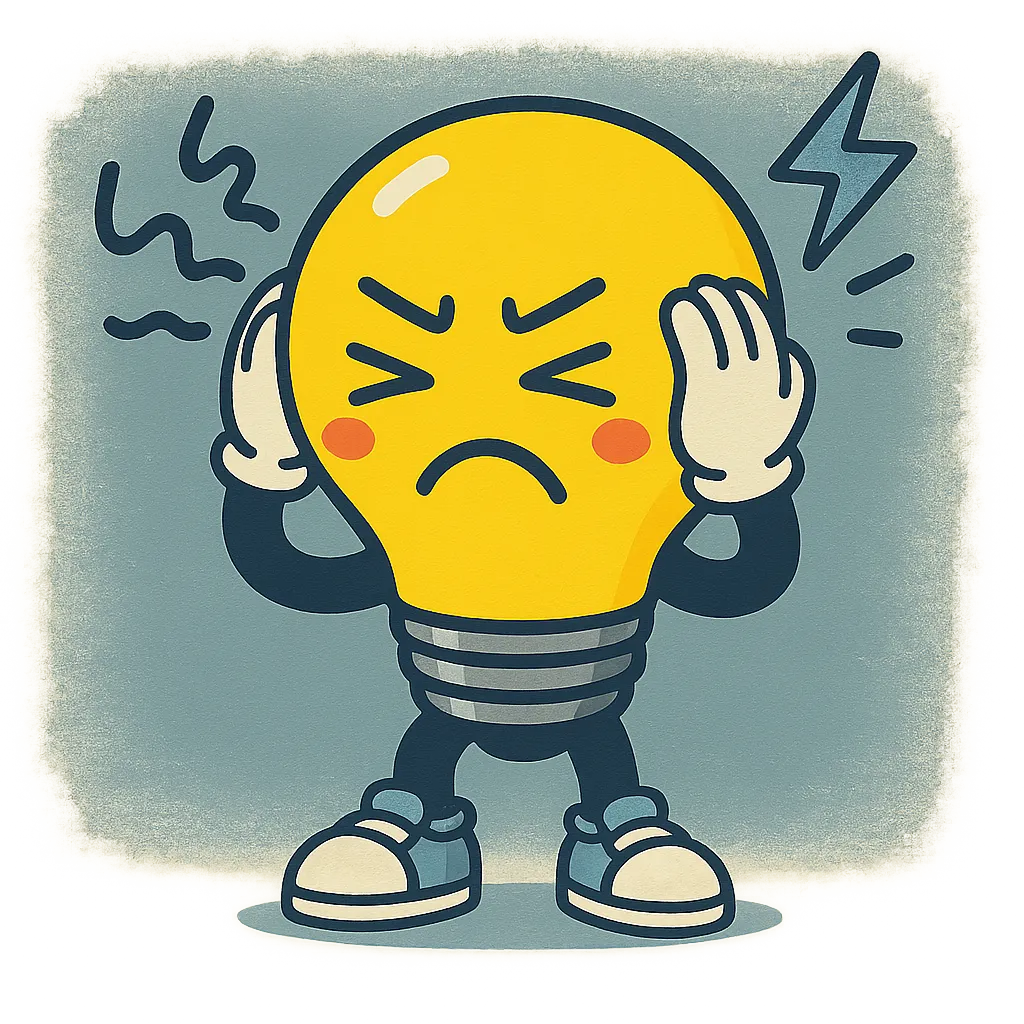
Neurodivergent brains often rely more on external structure than internal motivation.
That structure might include:
- Regular times
- Familiar routines
- Predictable demands
- Clear expectations
This structure creates safety.
December disrupts it.
Work slows or stops
- Deadlines ease
- Normal rhythms disappear
Sleep patterns change
- Later nights
- Unpredictable mornings
- Daytime naps creep in
Eating habits shift
- Regular meals disappear
- Snacking increases
- Foods feel less familiar
- Meals are skipped or irregular
Social demand increases
- More work events
- More social gatherings
- Less time to prepare or recover
Noise and stimulation rise
- More sound
- More interruptions
- More decisions
- Less quiet space
The expectation to perform stays
- Pressure to be sociable
- Pressure to be flexible
- Pressure to appear cheerful
- Pressure to stay productive
Alcohol and sleep are disrupted
- Drinking patterns change
- Sleep quality drops
What this does to the brain
After weeks of disruption, the brain does not bounce back.
It slows down.
It becomes exhausted.
Your brain has been coping, adapting, and holding things together while still doing the work needed to get through each day.
Recovery is required before performance returns.
What to do instead of pushing

Instead of trying to reset or reinvent yourself, focus on settling your nervous system.
- Lower the bar and do one small thing
- Bring back structure gently
- Reduce decisions where possible
- Build in quiet time
- Move a little each day
- Support sleep without chasing perfection
- Limit social demand
- Notice what helps and repeat it
This does not mean you cannot make changes.
It means giving your brain time to recover so the energy can come back naturally.
If you want some support

You do not have to push through this alone.
Coaching can help when things feel heavy, foggy, or stuck.
It is not about fixing you.
It is about working with how your brain actually functions.
- In-person ADHD coaching in the North East
- Online ADHD coaching across the UK
If you are not sure what you need yet, that is okay.
You can book an informal chat to talk things through.
- Book a relaxed, no-pressure conversation
There is no obligation.
Just a chance to see if support would help right now.
Want more like this? For the latest articles, reflections, and practical support, head over to the blog home.
View Blog Home