AuDHD Life: Being Authentic with AuDHD - the Chaos of Being Me

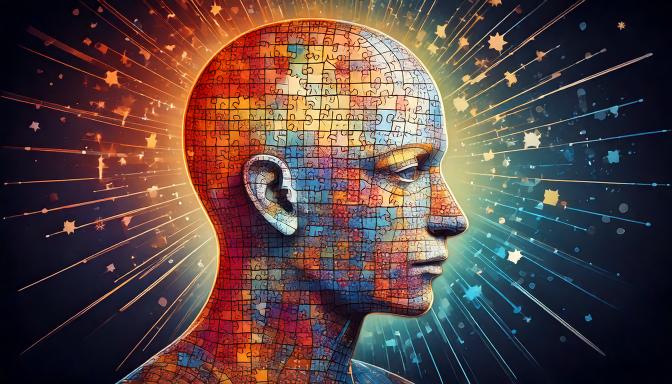
In 2023, I was diagnosed with ADHD. That discovery, illuminating my true self, opened the door to a deeper understanding of myself. Along the way, on the hyperfocus journey of discovery and learning, I realised I'm also autistic - AuDHD as it is sometimes known. The signs were evident in hindsight, like puzzle pieces falling into place. Unlike ADHD, I've never felt the need for an official autism diagnosis—it's as clear as day to me. The ADHD diagnosis revealed my neurodivergence, and I am just finding out the exact flavour.
Before these revelations, I spent years battling poor mental health and low self-esteem, shaped by a lifetime of rejection, bullying, and trying to "fit in." The world taught me that I needed to fix myself, but instead, what I truly needed was understanding, support, and strategies that worked for me.
Recognising the Signs

The signs of Autism and ADHD have always been a part of me:
- My lifelong fascination with niche hobbies like streetlighting and pylons contrasted with short-lived obsessions like playing the trumpet and violin and learning to fly a jumbo jet!
- A sensory sensitivity to rough or wet textures, paired with my love for loud music (even though loud noises overwhelm me).
- Social discomfort, yet an undeniable enjoyment of talking to and working with people.
- The constant need for structure, routine and information
- Hearing words and music in familiar everyday sounds and the irritating ability to hear electricity
- Meltdowns, when pushed to the limit by too many stimuli and people
- Visualising and describing things in my head with words and not pictures

For me, it's the interplay of ADHD and Autism that makes life spicy. It feels like two opposing forces constantly pulling me in different directions.
What is ADHD?
ADHD (Attention Deficit Hyperactivity Disorder) is a neurodevelopmental condition which is present from childhood, affecting focus, impulse control, and motivation. It's not a matter of laziness or disinterest—it's about how the brain prioritises and pursues stimulation. For me, ADHD is like being driven by excitement. If something captivates me, I can hyperfocus on it for hours, but if it doesn't, motivation disappears entirely.
What is Autism?

Autism Spectrum Disorder (ASD) is a neurodevelopmental condition that causes them to perceive and interact with the world differently. People with ASD often have a range of sensory sensitivities, prefer set routines, and have an uncanny capacity to focus intensely on specific interests. For me, Autism is about craving structure and understanding the world through patterns, sounds, words and detail, even if the chaos of ADHD often disrupts those structures.
The Clash of Conditions
Living with AuDHD can feel like a constant conflict. Here's how these forces collide in my daily life:
- The push-pull of routine. My autism craves structure and predictability, but my ADHD resists it, constantly seeking new and exciting stimulation. I'll create a perfect routine and stick to it—for a day or two—then I forget it and abandon it altogether.
- Motivation versus paralysis. I feel calm when my house is tidy, yet I often lack the motivation to clean. The same goes for my inbox—I dream of reaching zero unread emails, but sorting through them feels impossible. When I do ever have a clearout, I find out that I can't find where I put things, or I throw out something important in my enthusiastic efforts.
- Social contradictions. Social interactions overwhelm and exhaust me, yet I crave meaningful connections with others. I've also developed people-pleasing tendencies from years of masking my neurodivergence, which leads to overcommitting and social burnout.
- Hobbies and interests. I become intensely passionate about hobbies, only to drop them when the novelty fades. But some fascinations, like streetlights and pylons, have been with me my entire life.

Sensory experiences can be so contradictory for me. I really can't stand the feel of rough or wet textures. Yet, I get deeply involved in hobbies like cosplay, often including uncomfortable materials. Loud noises make me anxious, but at the same time, I love cranking up the music to the max. It feels like there's always a battle going on in my mind.
The Importance of Acceptance
What has made the most significant difference for me is acceptance. Instead of trying to fix myself or fight against these dynamics, I've learned to embrace them. This is who I am—a mix of contradictions, strengths, and quirks—and that's okay.
When I stopped seeing these traits as problems, they stopped feeling like problems. They're simply part of what makes me me.
Strategies for Managing AuDHD
Here are some tips and strategies that have helped me navigate life with AuDHD:
- Mini routines instead of packed schedules. Trying to map out my entire day feels overwhelming, so I stick to smaller routines for key moments, like mornings and evenings. This gives me structure without stifling spontaneity.
- Dopamine-friendly activities. For my ADHD brain, finding stimulating activities that don't exhaust me is key. Playing video games, immersing myself in a VR experience, listening to loud music, or chatting online is the same satisfaction as going out without sensory overload.
- Set boundaries and say "no." I've learned not to overcommit myself socially, even if an invitation sounds exciting. It's okay to prioritise my well-being over people-pleasing.
- Create sensory comfort. Noise-cancelling headphones, soft clothing, and quiet spaces help me stay regulated when sensory input feels overwhelming.
- Celebrate your quirks. Instead of fighting my hobbies and interests, I lean into them. Whether geeking out about pylons or tinkering with the piano, I let myself enjoy the things that make me happy.
- Give time to both sides of your brain, allow yourself to go wild and be expressive with wacky new thoughts and ideas, and enable calm time for reflection and regulation.
Medication and Self-Reflection

For me, ADHD medication has been beneficial. It gives me a pause point. A moment to decide how to respond rather than reacting impulsively. It also helps me focus on strategies that support my well-being, like creating routines or engaging in hobbies.
Interestingly, the medication seems to quiet the "ADHD side" and let my autistic traits shine through more. I feel more cautious and thoughtful rather than overly optimistic, hyperactive or impulsive. I seek solitude and calm.
Final Thoughts
Living with AuDHD - both ADHD and Autism isn't easy, but it's not something I would change about myself. The contradictions and challenges make me unique, and understanding this dynamic has been life-changing.
If you are an AuDHDer or think that you are, I hope this reassures you that you're not alone. It's essential to accept and embrace who you are, AuDHD, ADHD and ASD, quirks and all. You shouldn't be trying to fix yourself, as you aren't broken; you are you; who has the right to tell you otherwise?. The real challenge is finding ways to work with your brain, not against it. After all, these traits are what make us who we are.
Have you experienced the push-pull of ADHD and Autism? Please share your story or connect with me. I'd love to hear from you!
Get in Touch | ADHDaptive - ADHD Coaching & Consultancy
Further Reading 📚
If you're as obsessed with deep dives as I am (or just mildly curious), here are some great reads on AuDHD, ADHD, Autism, and neurodiversity:
- “A Living Contradiction:” The AuDHD Experience – A brilliant article from ADDitude Magazine explaining how ADHD and Autism intersect, differ, and create the unique rollercoaster that is AuDHD.
- Neurodiversity Hub – A fantastic resource for neurodivergent folks, offering support, information, and opportunities to connect with like-minded people.
Got any favourite reads on AuDHD or the weird and wonderful world of neurodivergence? Drop them in the comments—I love a good rabbit hole! 🌀