We Diagnose People with ADHD Because Society Refuses to Accept Them as They Are
I'm Sorry, But ADHD Diagnosis Happens Because Society Refuses to Accept Us
The Evening Standard recently published an article by Melanie McDonagh titled “I’m sorry, but ADHD has become a scam that is wildly overdiagnosed and an excuse for poor behaviour.” (Read it here). It’s yet another piece pushing the tired narrative that ADHD is simply a modern invention, a label handed out too easily, and a means to exploit benefits like PIP.
I have one thing to say in response: We diagnose people with ADHD because society refuses to accept them as they are.
ADHD Isn’t the Problem, Rigid Social Norms Are
ADHD has existed for as long as humanity itself. Before it was called a “disorder,” it was just a different way of thinking. Some of the greatest inventors, leaders, and artists in history had traits we now associate with ADHD—quick thinking, risk-taking, hyperfocus, creativity, and adaptability. These weren’t flaws. They were assets.
So what changed?
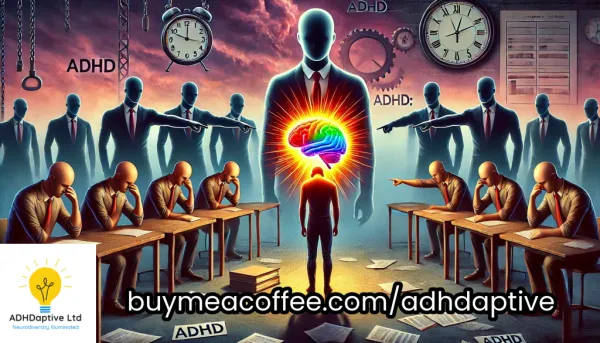
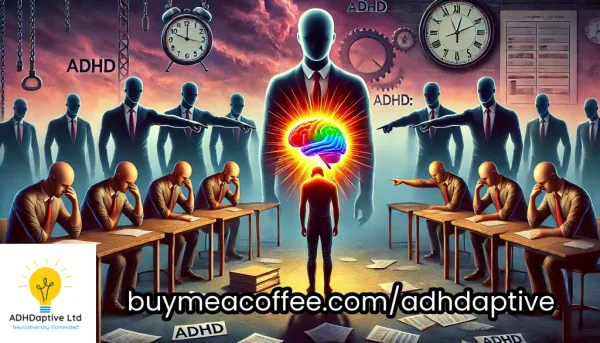
Modern society built a system that rewards conformity over creativity, repetition over innovation, and compliance over curiosity. Schools are designed to favour those who can sit still and listen for hours. Workplaces demand rigid structures that leave no room for dynamic thinking. Neurodivergence isn’t welcomed—it’s punished.
ADHD diagnoses aren’t rising because the condition is being “invented.” They’re rising because people are being penalised for having it.
In schools, ADHD children aren’t nurtured—they’re disciplined. In workplaces, adults with ADHD aren’t accommodated—they’re deemed difficult. In social spaces, they’re labelled as “lazy” or “incompetent” when in reality, they’re operating in an environment that refuses to acknowledge their strengths.
So when people struggle, they seek a diagnosis—not because ADHD suddenly appeared in their lives, but because a medical label is the only way to access even a fraction of the support that should have existed all along.
The PIP Myth: No, ADHD Isn’t a Free Ride
McDonagh's article argues that people pursue ADHD diagnoses to claim benefits, as if it’s some sort of easy cash grab. Let’s get one thing straight:
To qualify for Personal Independence Payment (PIP) with ADHD, your symptoms have to severely impact your ability to live and work.
Even then, most applicants are rejected. The process is brutal—designed to deny as many claims as possible. I receive zero benefits for my ADHD diagnosis. I wouldn’t even be eligible if I applied. So the idea that there’s some wave of people gaming the system with fake ADHD diagnoses? It’s complete nonsense.
And if you want numbers—here they are. Out of 3.68 million total PIP claimants in the UK, only 52,989 people have ADHD listed as their primary condition. That’s just 1.44% of all claims. If ADHD were truly being “exploited” at scale, that number would be much, much higher.
The reality? Far more people with ADHD are struggling in silence than getting the support they need.
No, TikTok and Lockdowns Didn’t Cause ADHD Diagnosis
The article also falls into another lazy argument—blaming smartphones and lockdowns for the rise in ADHD diagnoses.
Yes, technology impacts attention spans. But ADHD isn’t something you catch from scrolling TikTok. It’s a neurodevelopmental condition that has existed for generations. The reason more people are being diagnosed now isn’t because they suddenly developed ADHD—it’s because they finally have access to information that helps them recognise what’s been there all along.
And as for lockdowns? If anything, they stripped away the external structures that ADHDers relied on to cope—schedules, social accountability, structured environments. The challenges were always there—lockdown just made them impossible to ignore.
The Real Scam? Pretending ADHD Doesn’t Exist
ADHD isn’t a scam. But you know what is? The way society refuses to accept neurodivergent people as they are.
We live in a world that has benefited immensely from the contributions of ADHD minds, yet continues to dismiss them as defective. We praise the rebels, the innovators, the disruptors after they succeed—but in daily life, we punish anyone who dares to think differently.
If society valued different ways of thinking, if workplaces adapted instead of forcing compliance, if schools nurtured neurodivergent strengths instead of punishing them—maybe fewer people would need an ADHD diagnosis just to survive.
But that’s not the world we live in. So people seek help. They seek validation. They seek community. They seek tools that allow them to function in a world that refuses to bend even slightly for them.
And until that changes, ADHD diagnoses will keep rising. Not because ADHD is new. Not because people are “faking it.” But because society continues to force neurodivergent people to prove their struggles before they are even acknowledged.
So no, ADHD diagnosis isn’t a scam. But pretending it isn’t real, denying people support, and shaming them for seeking ADHD Diagnosis and help? That absolutely is.
📌 Want to learn more about ADHD, ADHD Diagnosis and neuroinclusion? Visit ADHDaptive.org for resources, coaching, and advocacy.