ADHD Demystified – A Deeper dive into ADHD

Introduction
ADHD (Attention Deficit Hyperactivity Disorder) is one of the most misunderstood neurodevelopmental conditions. Often dismissed as simply “not paying attention” or “being too hyper,” it’s much more complex. ADHD affects focus, impulse control, emotional regulation, and even how we approach life’s challenges. This post goes beyond the surface to explore what ADHD is, its causes, how it affects the brain, common traits (both strengths and challenges), and practical strategies to manage it effectively.
What Is ADHD?
ADHD is a neurodevelopmental condition that impacts focus, impulse control, and activity levels. It’s not ADHD isn’t about laziness or lack of discipline. It’s a difference in how the brain processes and responds to the world. Think of Windows vs Mac, essentially doing the same job but in different ways. It affects children and adults alike and presents in three main types:
- Predominantly Inattentive: Struggles with focus, organisation, and follow-through.
- Predominantly Hyperactive-Impulsive: High energy, impulsiveness, and constant motion.
- Combined Type: A mix of inattentive and hyperactive-impulsive traits.
ADHD is a lifelong condition, though how it manifests may change over time. For example, adults may appear less hyperactive than children but still struggle with emotional regulation, organisation, and task management.
What Causes ADHD?
The causes of ADHD aren't well understood, but research has shown that is a result of a combination of factors, including:
- Genetics:
ADHD is highly heritable. If one parent has ADHD, there’s a significant chance their child may have it too. Researchers have identified multiple genes associated with dopamine regulation, which plays a critical role in ADHD. There is not, however, an "ADHD Gene". - Brain Structure and Function:
Brain imaging studies show differences in the size and activity of areas like the prefrontal cortex (responsible for executive function) and basal ganglia (linked to reward processing). - Dopamine Dysregulation:
People with ADHD often have difficulty regulating dopamine, a neurotransmitter associated with motivation, focus, and reward. This makes it harder to initiate or persist in tasks that don’t offer immediate gratification. - Environmental Influences:
Factors like premature birth, exposure to toxins (e.g., lead), and even significant stress during pregnancy can contribute to the development of ADHD.
What’s Happening in the Brain?

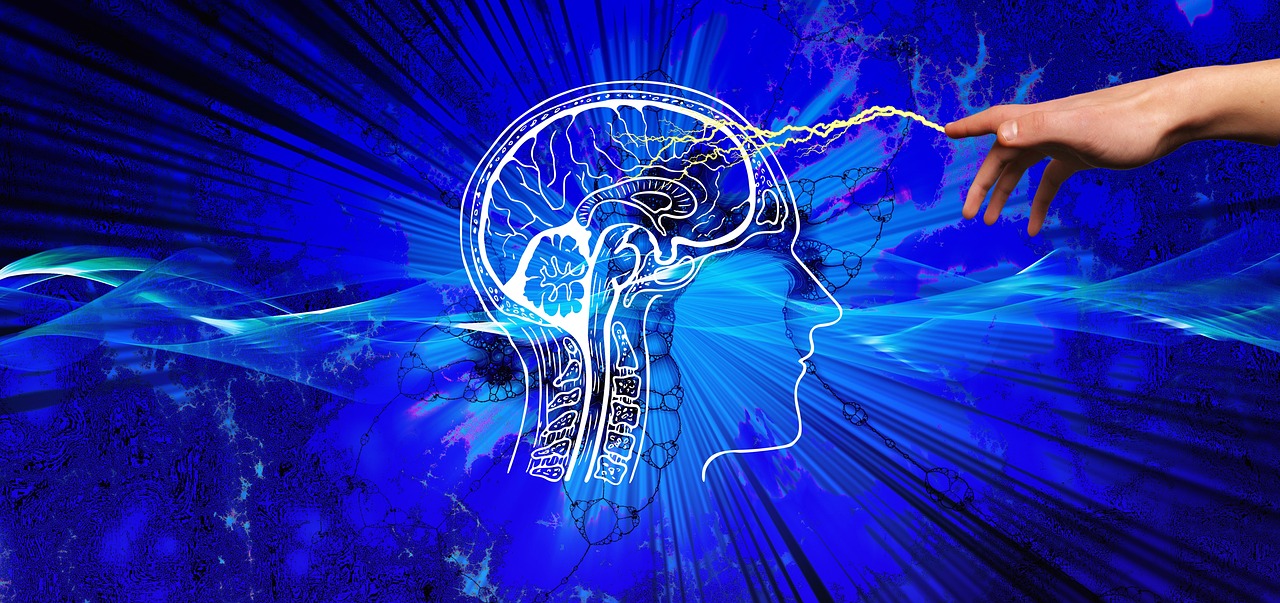
ADHD fundamentally alters how the brain processes information. Here’s what happens:-
- Executive Dysfunction:
The prefrontal cortex, the brain's “control centre,” struggles with planning, organisation, and self-regulation. This can lead to procrastination, missed deadlines, and difficulty managing daily life. - Hyperactivity and Impulsivity:
Overactivity in some brain areas means constant motion, whether physically (fidgeting) or mentally (racing thoughts). - Reward Sensitivity:
Dopamine struggles make it harder to stay motivated for tasks without immediate rewards. This explains why boring or repetitive activities feel insurmountable while exciting ones lead to hyperfocus. - Emotional Dysregulation:
The amygdala, the brain’s emotional centre, can overreact, leading to intense feelings like frustration, anger, or joy.
Common Traits of ADHD
ADHD presents a spectrum of traits, some of which can feel like challenges while others are strengths in disguise. No two people with ADHD exhibit the same characteristics:
- Forgetful but Brilliant: Losing track of keys or dates doesn’t mean losing creativity or intelligence.
- Always Moving: From pacing to tapping, movement is constant. Surprisingly, it often helps focus!
- Big Feelings: Emotions can feel overwhelming but are often the source of empathy and passion.
- Hyperfocus Superpower: When fully engaged, individuals with ADHD can lose themselves in their interests, producing exceptional results.
ADHD Strengths

ADHD isn’t just about challenges; it also brings massive potential when it is understood and harnessed. When nurtured, these strengths can shine:
- Innovation and Creativity:
ADHD brains excel at connecting ideas others might miss, leading to out-of-the-box solutions. - Resilience:
Overcoming obstacles builds perseverance and a can-do attitude. - Quick Thinking:
ADHD minds thrive in fast-paced environments where adaptability is key. - Passion:
When something matters, individuals with ADHD put their heart and soul into it.
Managing ADHD
Thriving with ADHD requires strategies that work with your brain, not against it. Here are some practical approaches:
- Coaching:
ADHD coaches help individuals develop personalised systems for managing their unique challenges and strengths. - Build a Routine:
Structure creates predictability, reducing decision fatigue and overwhelm. Start small, like setting consistent wake-up times. - Physical Activity:
Exercise boosts dopamine and helps with restlessness. Even short bursts of activity can make a difference. - Technology and Tools:
Track tasks and deadlines using apps like Todoist, Notion, or Google Calendar. Pomodoro timers can also help with focus. - Therapy and Medication:
Cognitive Behavioural Therapy (CBT) can address emotional dysregulation, while medication can regulate dopamine levels. Always consult a healthcare provider. - Focus on Strengths:
Lean into what you’re good at and delegate or seek support for tasks that drain you.
Breaking Down Stigma

ADHD often carries stigma, with people dismissing it as “just an excuse” or “not a real condition.” But science and lived experiences prove otherwise. By educating others and normalising conversations about ADHD, we can foster acceptance and understanding.
Conclusion
ADHD isn’t a barrier to success. It’s a different way of navigating the world. Understanding the science behind ADHD, celebrating its strengths, and using personalised strategies can lead to a fulfilling and thriving life. Whether you’re looking for support, strategies, or simply trying to understand ADHD better, resources like coaching and community support are invaluable.
Download the free factsheet here:-
Want to find out more?
Explore more ADHD resources and insights on our website. If you’re looking for personalised support, reach out to learn how ADHD coaching can help you harness your unique strengths!