
Why I Slept for 14 Hours: ADHD and the Critical Role of Sleep.

Introduction
ADHD and Sleep! Imagine lying in bed, your mind racing as the clock steadily approaches dawn. For many with ADHD, this scenario is all too familiar, and we resent sleep, and it seems like an elusive luxury rather than a basic necessity.
On one seemingly ordinary Sunday, I surrendered to sleep, allowing myself a rare 14-hour escape into rest. This wasn't due to illness or exhaustion but a spontaneous decision leading to an unexpectedly profound experience of waking up at 4 PM feeling genuinely refreshed.
Why do we struggle so much with something as essential as sleep? After all, sleep isn't just a nice to have rest, it's a vital period of mental and physical restoration that we often unwittingly resist.
In this blog post, I delve into my own extended sleep experience and uncover why sleep is so crucial, especially for those of us juggling the relentless energy and creative chaos of ADHD. Join me as we explore the transformative power of rest, how to get a good nights sleep, and why, despite our frustrations, understanding and embracing our need for sleep can radically enhance our lives.
My 14-hour sleep experience
On Sunday, I slept. I slept from 2.00 am until 4.00 pm, which is 14 hours solid. I don't remember waking at all; I didn't feel ill, I just slept.

As it was Sunday, and I had no commitments other than a bit of tidying, I decided not to set an alarm when I turned the light off at 2.00 am. "I'll have a lie in I thought.". When I awoke, I was refreshed and not at all sleepy. I asked Alexa what the time was and she said, "It's 4.00 pm". I didn't believe that was right so I checked my phone and sure enough, it was 4.00pm exactly.
Feelings of guilt
Feelings of guilt immediately washed over me however, I refrained from jumping in the shower and reflected. "So what?" I thought. "Why should I feel guilty? I haven't missed doing anything important; hell, nobody has missed me or even bothered me all day.". So I picked up the phone, scrolled and casually got up. I just chilled for the rest of the day, and I felt fantastic.
Why do we need sleep?
Sleep, we all do it, yet to those of us with ADHD, it can feel like a huge waste of time, and we could be doing something more productive with that time, like disproving the general theory of relativity, researching street lighting or working on our latest project. For one, I resent sleep and do my best to avoid it!
Rarely do we think about how important it is, what actually happens when we sleep, and more importantly, what happens to us if we don't don't get enough.
Sleep is a fundamental biological process that we must all do to survive, and it involves a periodic, natural and reversible loss of consciousness, distinct from states of coma or hibernation. It is crucial for maintaining our overall health and wellbeing and plays a vital role in supporting our physical and mental wellbeing.
What actually happens when we sleep?
Although not fully understood, researchers have shown that sleep is essential in many ways.
Physical repair and recovery
When we sleep, our bodies increase the rate of cell
regeneration, muscle repair and protein synthesis. Sleep is also when the body releases growth hormones,
which are critical to development and metabolism.
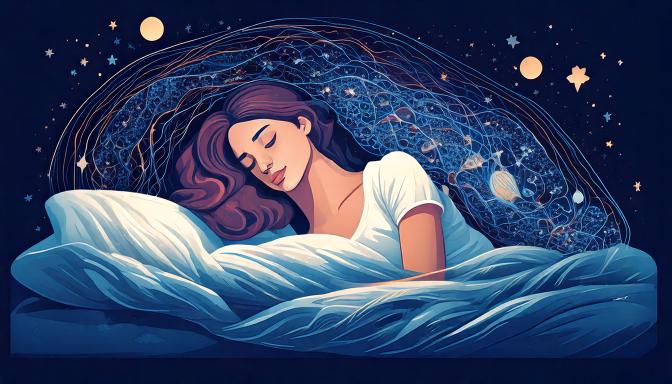
Mental health
When we sleep, the brain reorganises and restructures memories, which
in turn helps us to solve problems and be creative.
During sleep, the brain repairs itself, as this is
when the glyphatic system (a waste removal system) is up to ten times more active, and this helps to
remove toxins that accumulate during waking hours. These toxins may contribute to disorders such as
AlzheiAlzheimer's disease.
When we sleep, the neuronal connections that are important for mental
functions are strengthened, whilst those that are less important are pruned away, which makes the brain
more efficient.
Sleep is important for effective emotional regulation, as neural centres that manage
emotions and social interactions have been shown to be particularly affected by lack of sleep, leading to
increased emotional reactivity and decreased emotional control.
Immune system regulation
Sleep has been shown to be important in maintaining a
healthy immune response by regulating cytokine levels (proteins that provide signals to the immune system
to fight infections and inflammation). Lack of sleep can lead to decreased immune response.
Hormonal balance and appetite regulation
Sleep helps us to regulate the hormones that
affect and control appetite. When we sleep, ghrelin (a hormone that makes us hungry) increases and leptin
(which makes us feel full) decreases. Lack of sleep can lead to an imbalance in these hormones, which can
make us gain weight and lead to type 2 diabetes.
Challenges of ADHD and sleep
Research has consistently shown that individuals with ADHD often experience disrupted sleep patterns, which can exacerbate their symptoms. Sleep issues such as difficulty falling asleep, restless legs syndrome, and interrupted sleep are prevalent among those with ADHD, impacting their overall health and daily functioning.
- People with ADHD often have an overactive mind, with racing thoughts, which makes it hard to relax and fall asleep.
- They often have trouble sticking to routines, including at bedtime, which means that they often have very inconsistent sleep patterns.
- Many people with ADHD have a skewed internal clock, often being their most active at night and will naturally fall asleep and wake up later than their neurotypical counterparts.
- People with ADHD are also frequently sensitive to stimulation such as noise, light, touch or temperatures, which prevents them from sleeping or causes them to have disturbed sleep.
- They also frequently sensitive to stimulation such as noise, light, touch or temperatures, which prevents them from sleeping or causes them to have disturbed sleep.
These factors combined mean that people with ADHD often struggle with getting a good night's sleep. Yet, as can be seen, a good night's is essential for managing those ADHD characteristics. Just another reason why it feels that the ADHD brain is out to get us!
Lack of sleep exasperates ADHD

The impact of sleep deprivation on those with ADHD, who already struggle with executive functions can be even more profound than on neurodivergent folk.
- Dramatically impair concentration and focus
- Heighten impulsivity
- Worsen emotional regulation
- Lead to exhaustion, impacting energy and motivation, making tasks feel even more overwhelming.
Good sleep habits are not just beneficial but essential to people with ADHD.
Tips for getting a good night's sleep

- Create a sleep-inducing environment
- Make your bedroom a calming oasis with soothing decor and no distractions like TVs, vibrant posters and phones.
- Ensure your bed is comfortable and that bedclothes are clean and not scratchy.
- Play relaxing white noise or calming music
- Keep the temperature comfortably cool
- Earplugs or eye coverings can help reduce the risk of distractions.
- Have a consistent bedtime routine
- Try to go to bed and wake up at the same time each day, as a predictable routine can help regulate your body's internal clock.
- As people with ADHD can often lose track of time and forget to go to bed, the use of reminders
such as alarms can help make sure that a routine is adhered to
- Limit screentime before bed
- Screens often emit a blue light that replicates sunshine, which can cause our brain to stop
creating melatonin, which signals that it's time to sleep. The brain is effectively tricked into
thinking it is time to wake up! Screen time can also be a source of stimulation, producing dopamine,
which will prevent sleep.
- Screens often emit a blue light that replicates sunshine, which can cause our brain to stop
creating melatonin, which signals that it's time to sleep. The brain is effectively tricked into
thinking it is time to wake up! Screen time can also be a source of stimulation, producing dopamine,
which will prevent sleep.
- Relaxation Techniques
- Activities such as reading, taking a warm bath or meditation exercises can help you relax and
signal to your body that it is time to wind down.
- Activities such as reading, taking a warm bath or meditation exercises can help you relax and
signal to your body that it is time to wind down.
- Think about your diet.
- Stimulants such as caffeine, if taken late in the afternoon or evening, can have a significant adverse effect on being able to sleep.
- Heavy meals and rich food are hard to digest, which can cause discomfort and make sleep harder.
The use of these techniques can help people with ADHD maintain a better sleep routine and improve their ADHD symptoms.
Reflections
Above all, listen to your body; if you feel tired, there is a good reason for it! Your body is telling you that it needs to rest, process information, recover, and rejuvenate. If you need to sleep, then you should. Sleep is a critical element of self-care, ensuring you are at your best both physically and mentally.

Sleep or feeling tired is nothing to be ashamed of. I am not saying you put your head down when in a meeting at work, but realise your body is telling you to rest, and do so as soon as possible. Your friends, colleagues, and family will thank you for it, making you feel much more human. Sleep is a necessary part of life and can enhance your overall wellbeing and help you manage the demands of daily life with greater ease and efficiency.
Getting enough sleep is a critical step in managing ADHD. Sleep routines are a common topic during my ADHD coaching sessions, and they provide a helpful space for self-reflection on habits and strategies for improving sleep. Please check out my website, for more information and subscribe to this blog for more updates.
Let me know your thoughts about sleep. Is it a challenge for you? What has worked for you?